

Gallery
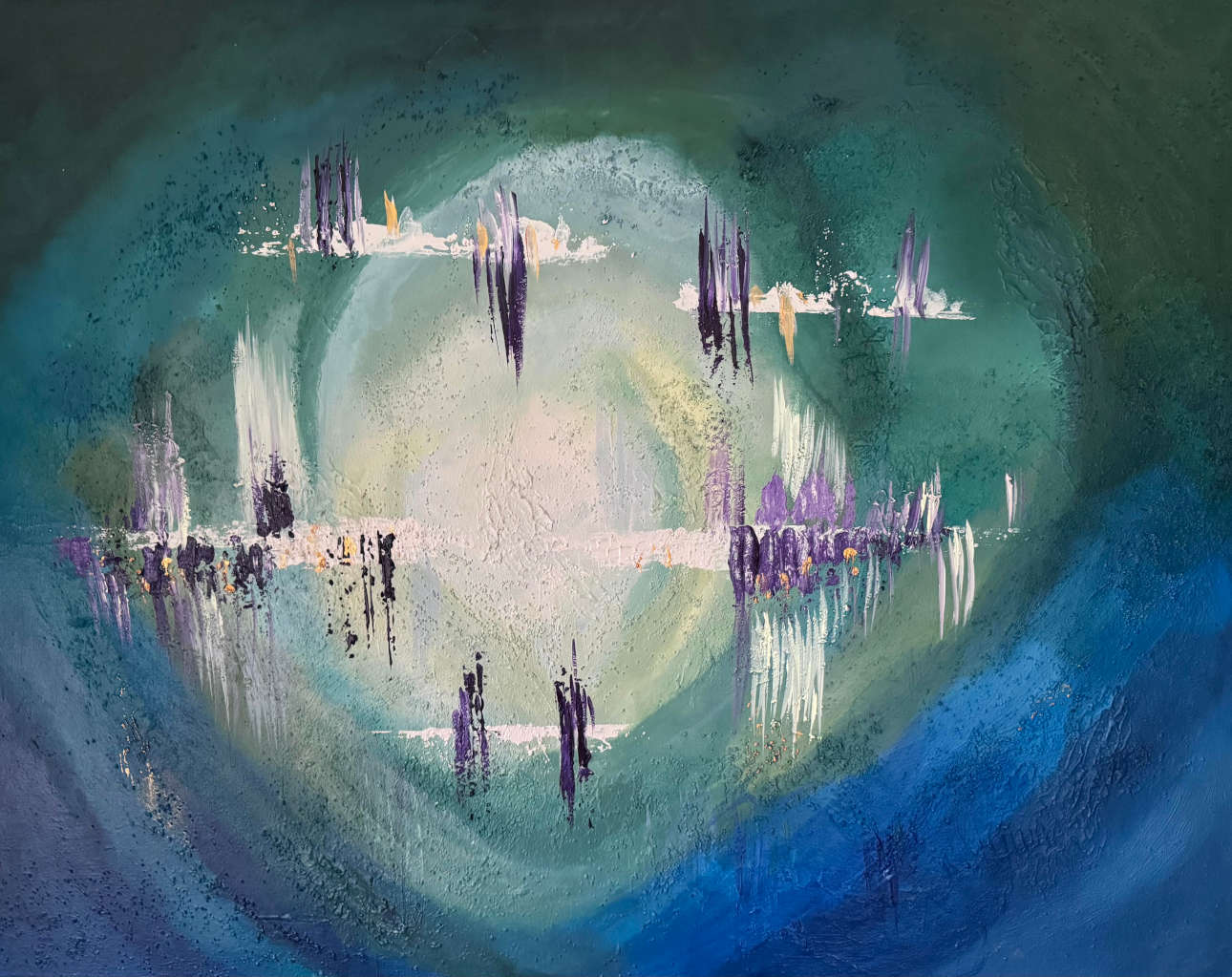
This was my first intuitive painting; I saw many shapes—including the form of a female pelvis—emerge before the final result took shape. Bioluminescence literally refers to the emission of light through a chemical reaction within a living organism. And that light is reflected here. For no matter how deeply our organs are hidden within our bodies, each one has its own role to play in our lives.
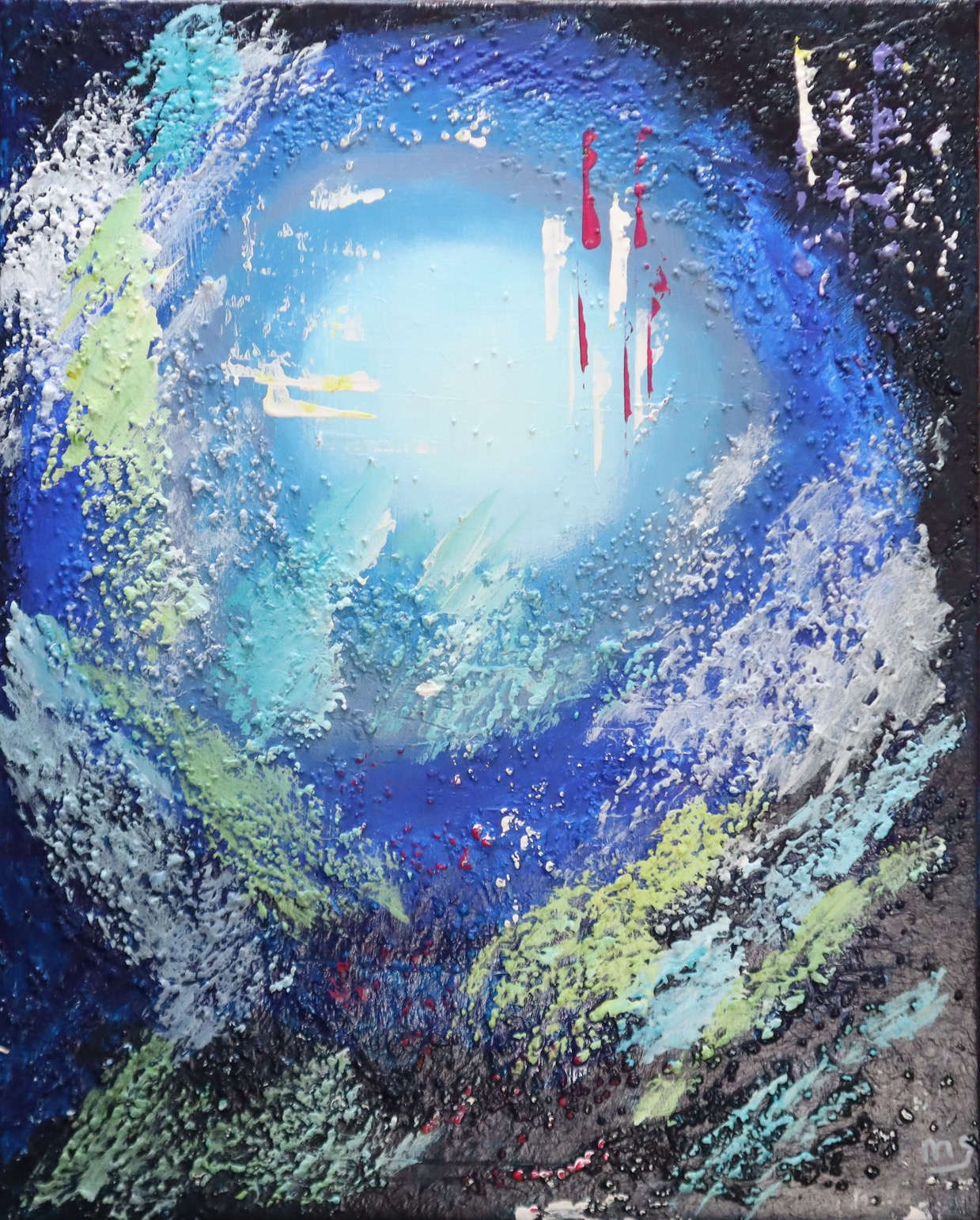
Living with pelvic floor issues often happens in silence. It takes a long time for someone to ask for help out loud. People assume it is just a part of life, that everyone deals with it, or simply prefer not to know about it. But once that step toward seeking help is finally taken? Chaos ensues. There are countless healthcare providers, and suddenly, you are overwhelmed by a flood of information and options. I have visualized that chaos.
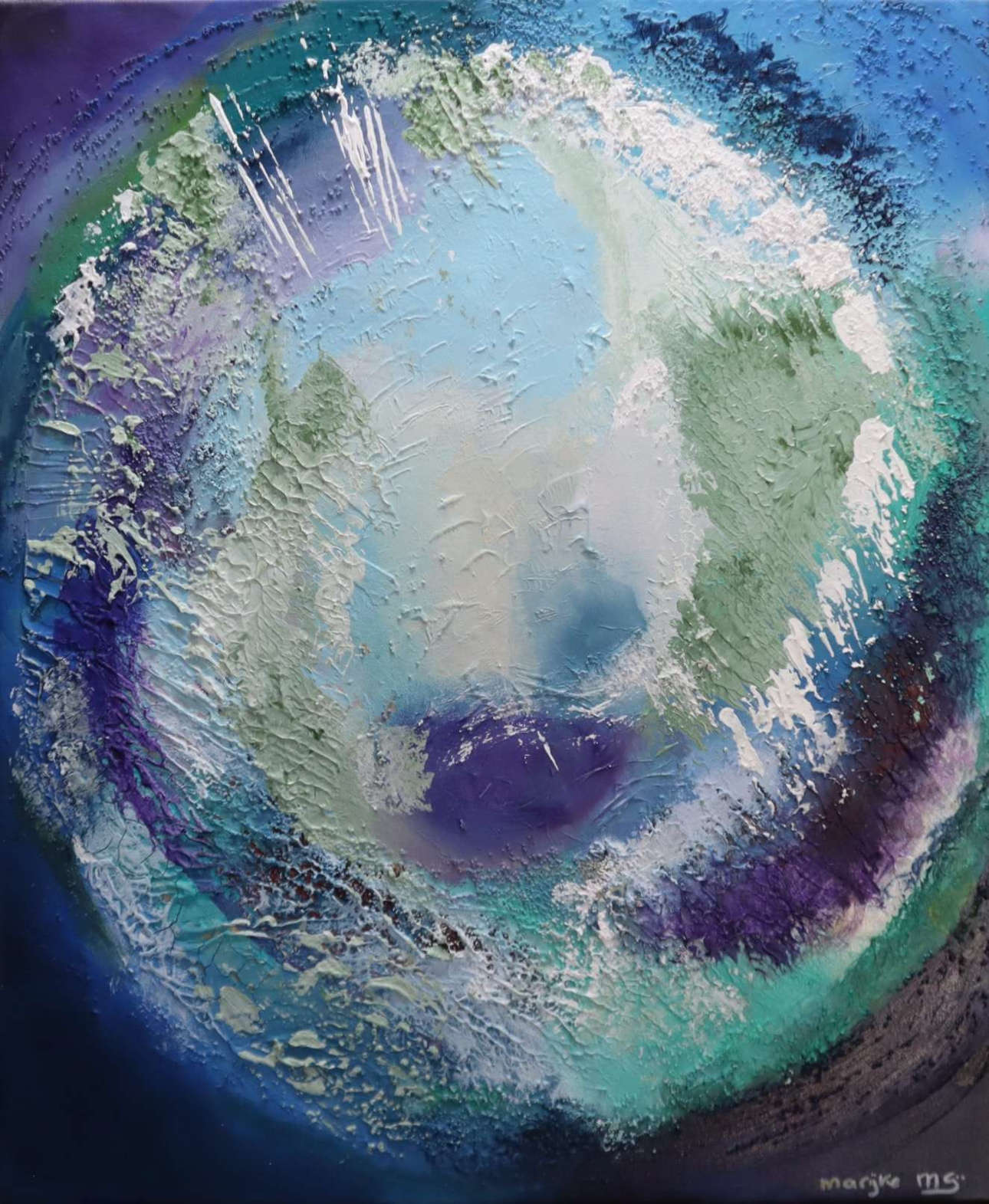
As a pelvic floor physiotherapist, for years I heard moving stories from women (and men) about urinary incontinence, prolapse, sexual issues, and abuse. All these painful, emotional experiences shaped me and stayed with me. This canvas emerged from intuitive painting using acrylics and mediums. Women and colleagues immediately recognize a pelvis, a bladder, or deep emotion in the work, without me having to name it explicitly. The painting brings a sense of calm and helps me process all those intense experiences. Ultimately, the artwork offers comfort and healing to both the viewer and myself.
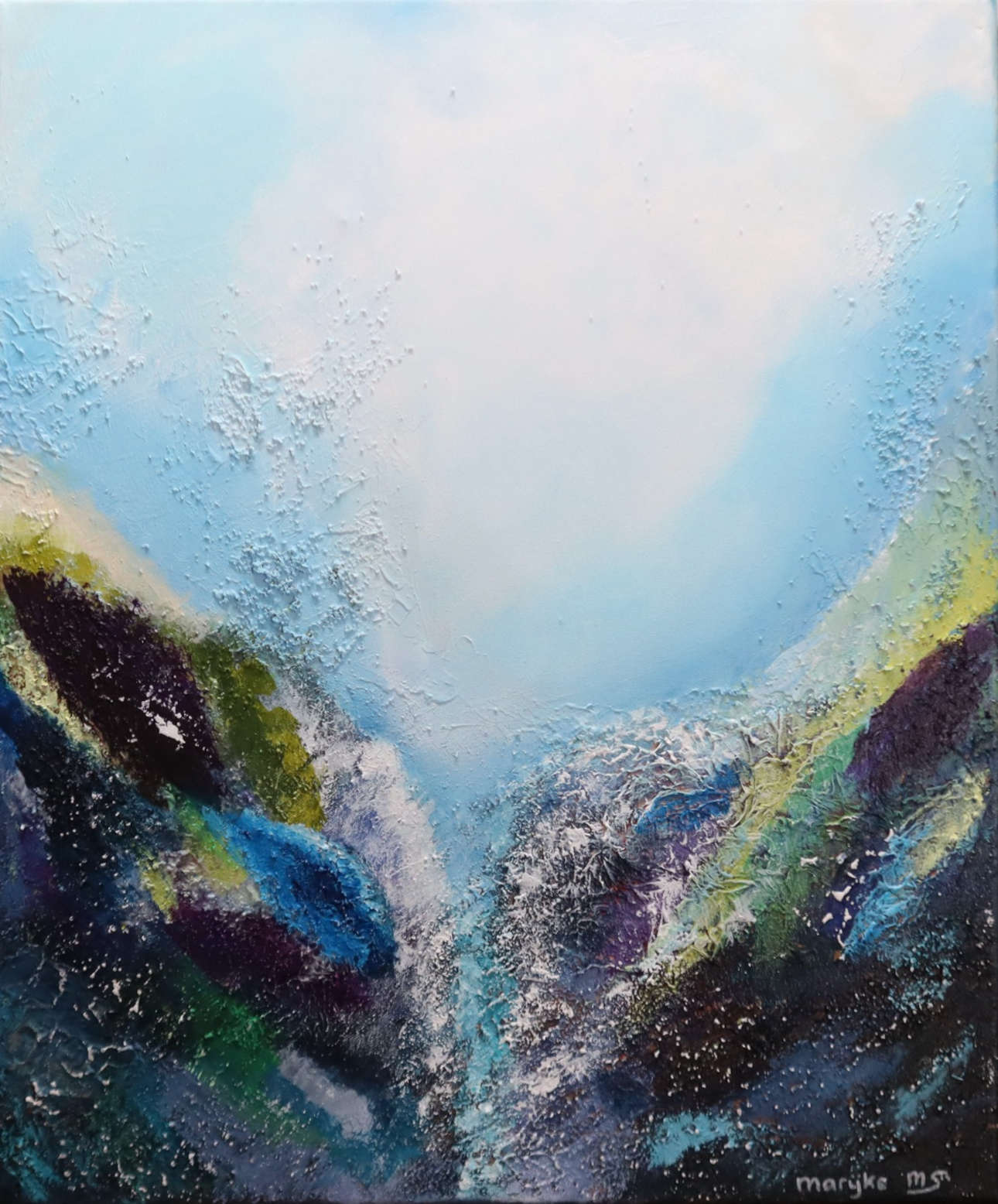
For our bodies to function properly, it is essential that our bladder maintains a healthy flow. Yet, that flow must also be controlled. This image depicts that flow; viewers can judge for themselves whether the flow is under control and perhaps relate it to their own lives. At the same time, this flow can represent mental well-being; after all, when things are going smoothly in life, we feel better, too. This painting was created after a foundation was laid as a starting point by colleague, and former pelvic physiotherapist, Els Hegeman.
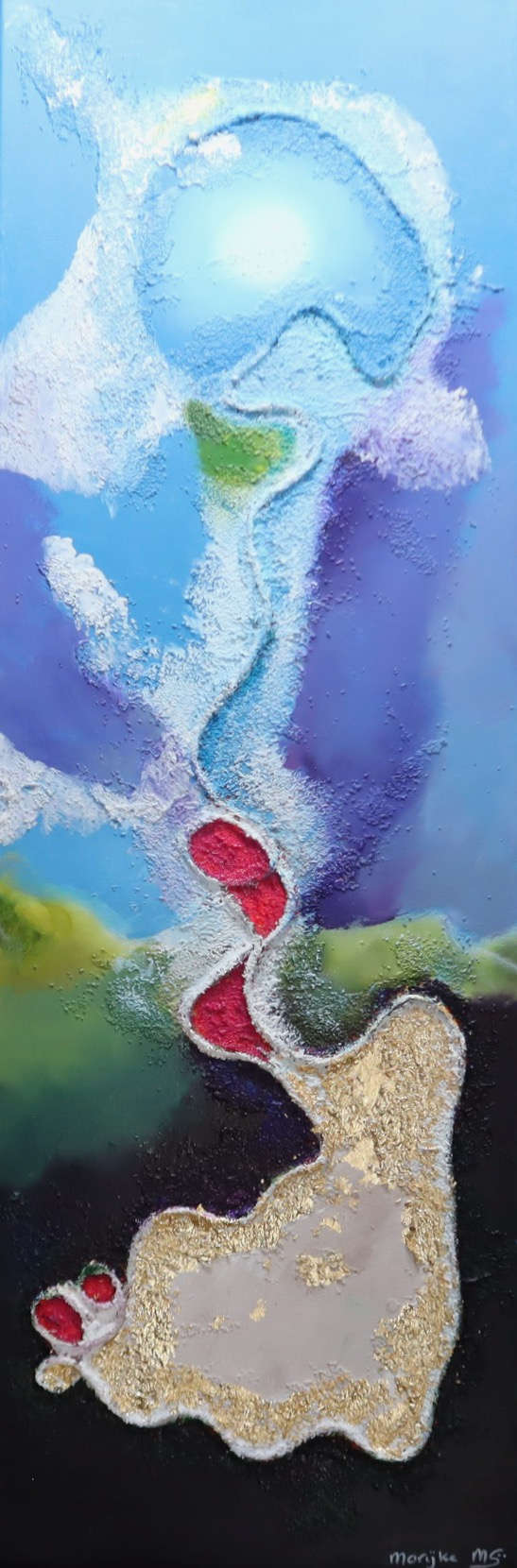
Every life begins as something tiny but grows into maturity. We often do not see the origin—we do not witness the moment of conception—but we do observe what unfolds. We can marvel at the fact that, even in hopeless times, new life will always emerge. The form it takes is not what matters here; the fact that new life always returns gives us reason for hope.
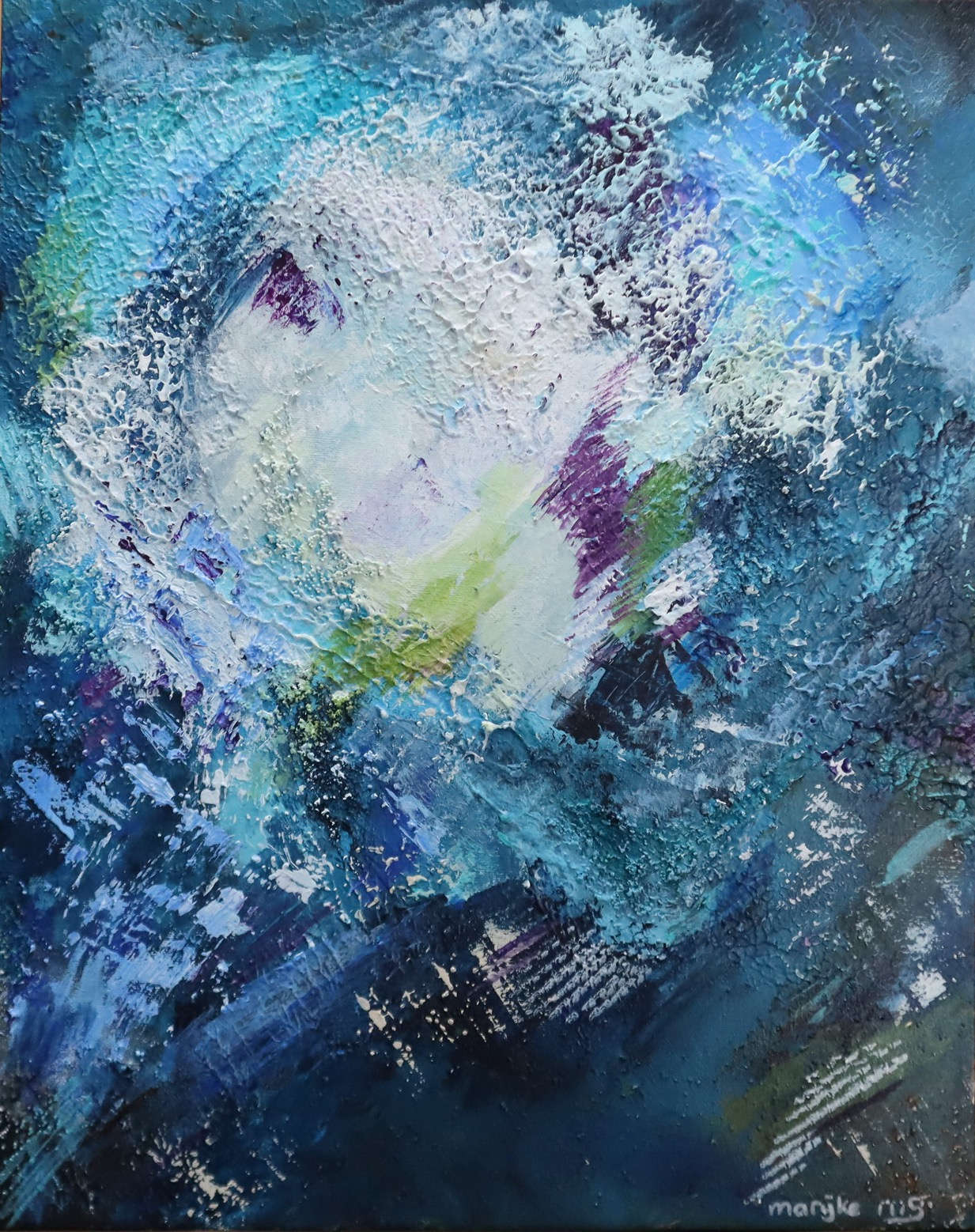
When we think of pelvic floor issues, we often think of urinary incontinence or prolapse. But the reality is often different: many people primarily experience pain. Pain that is misunderstood. Behind the scenes, this group is engaged in an endless quest. They hop from doctor to therapist and from psychologist to hospital, usually without finding answers. In this work, I visualize that sense of hopelessness, fear, and panic—but also, crucially, the hope of seeing light at the end of the tunnel.
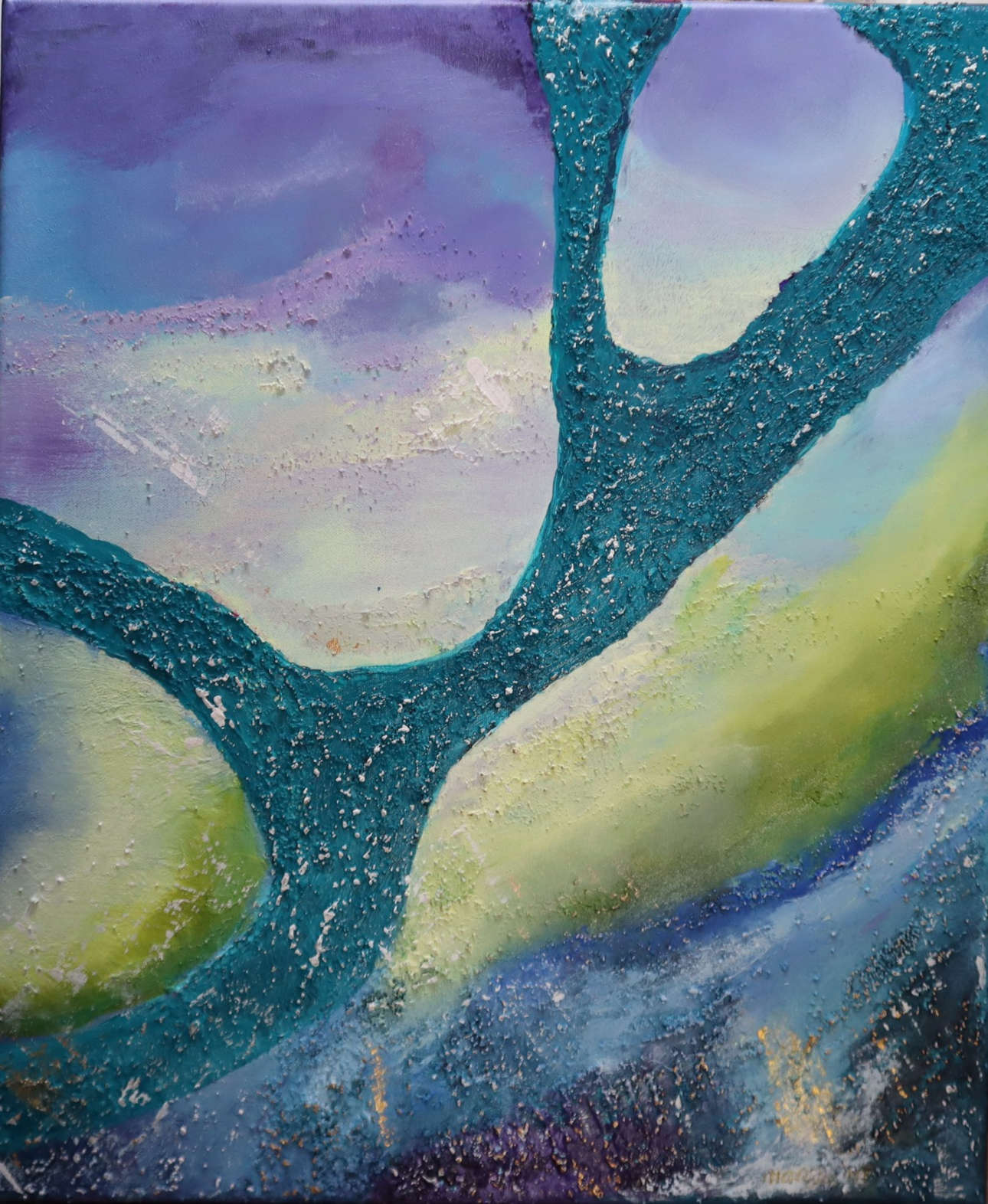
The search for a solution to pelvic floor issues is often the start of a long journey. It sometimes begins with something small: reading an article in the paper, watching a TV program, or talking to a friend. What follows is a long path involving a wide range of healthcare providers. It is a grueling process, yet one thing remains central: you are the one holding the reins.
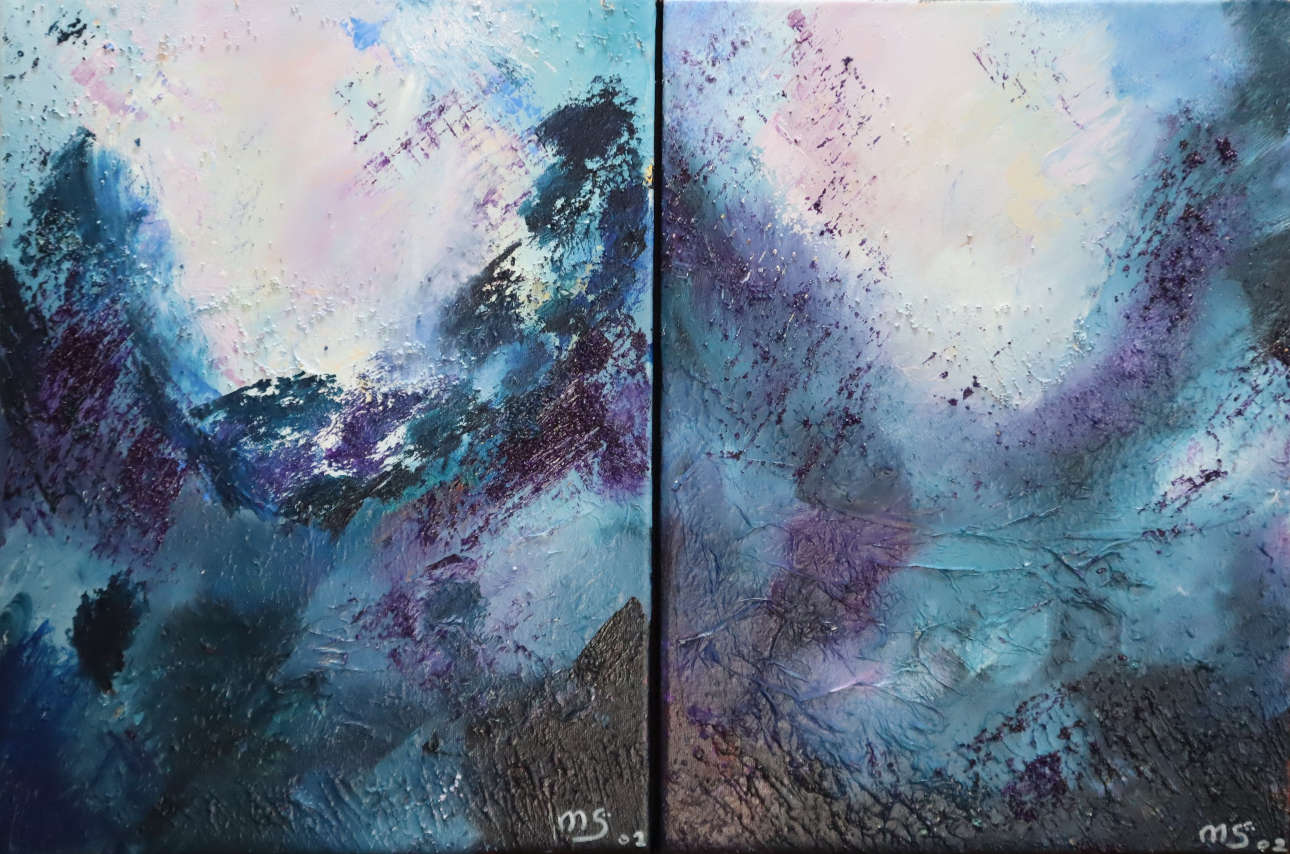
Our lives are always made up of ups and downs. It is important to realize that we can look upward—toward the light—to hold onto the hope that, after a dark period, there will always be glimmers of light that allow us to recharge and face daily life once more. Being aware of these glimmers of light is essential.
